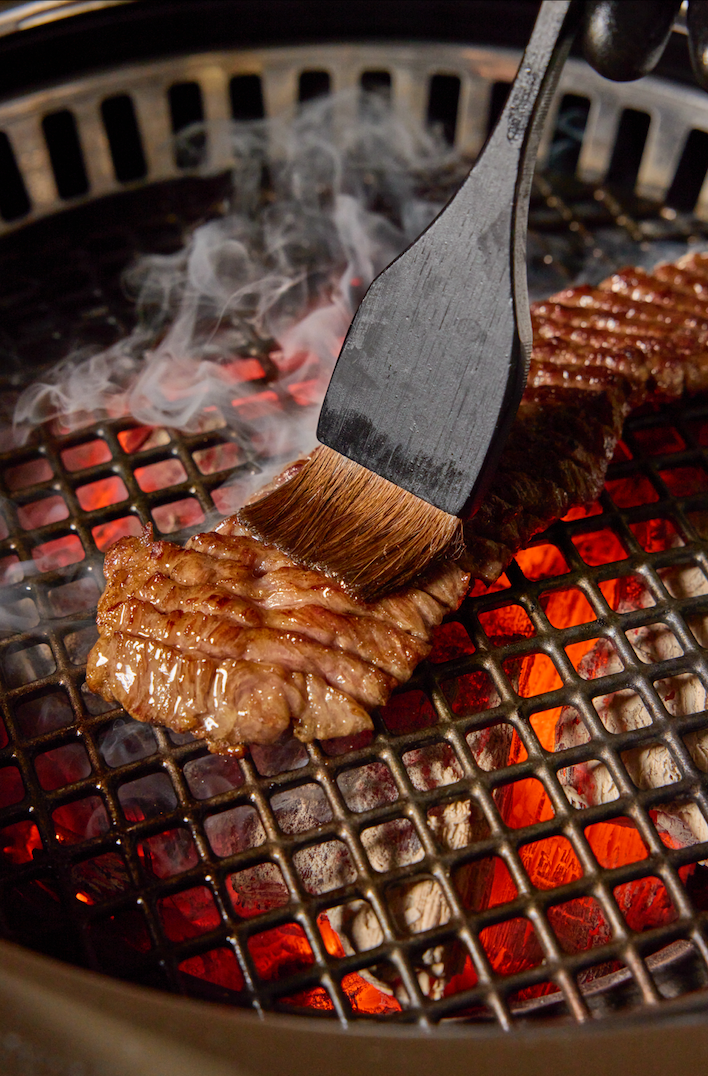
Korean BBQ in Seoul is easier to discuss when the menu terms are clear. Using Seolya Galbi Cheongdam’s published information, this guide looks at price comparisons that preserve the order unit for a party with different meat preferences.
Price comparisons that preserve the order unit
The menu mixes 100g beef-cut units, piece-based items and individual dishes. Comparing only the printed prices would leave out what each amount buys. This matters when a group is deciding between another meat cut, a mushroom dish and a finishing soup.
Write the name, quantity unit and price together before calculating a combination. If the units differ, keep them different rather than converting pieces into an unlisted gram weight. The goal is a readable food choice, not a fabricated value ranking.
Different meat preferences
When friends want different cuts or preparations, collect those preferences before turning the menu into a shared order. One guest may want the house marinade while another wants a plain preparation or a different cut. Their choices can be recorded without assigning the most expensive entry to everyone.
Keep the exact dish names and units in the note. A shared meal does not require an invented tasting package, and price alone is not a reliable statement of what each person will enjoy.
Keep this detail with the plan
| Part of the plan | What to keep visible |
|---|---|
| Menu or restaurant detail | Read prices with their units: grams, pieces or individual dishes. |
| Travel situation | different meat preferences |
| Where to verify it | Official menu page |